
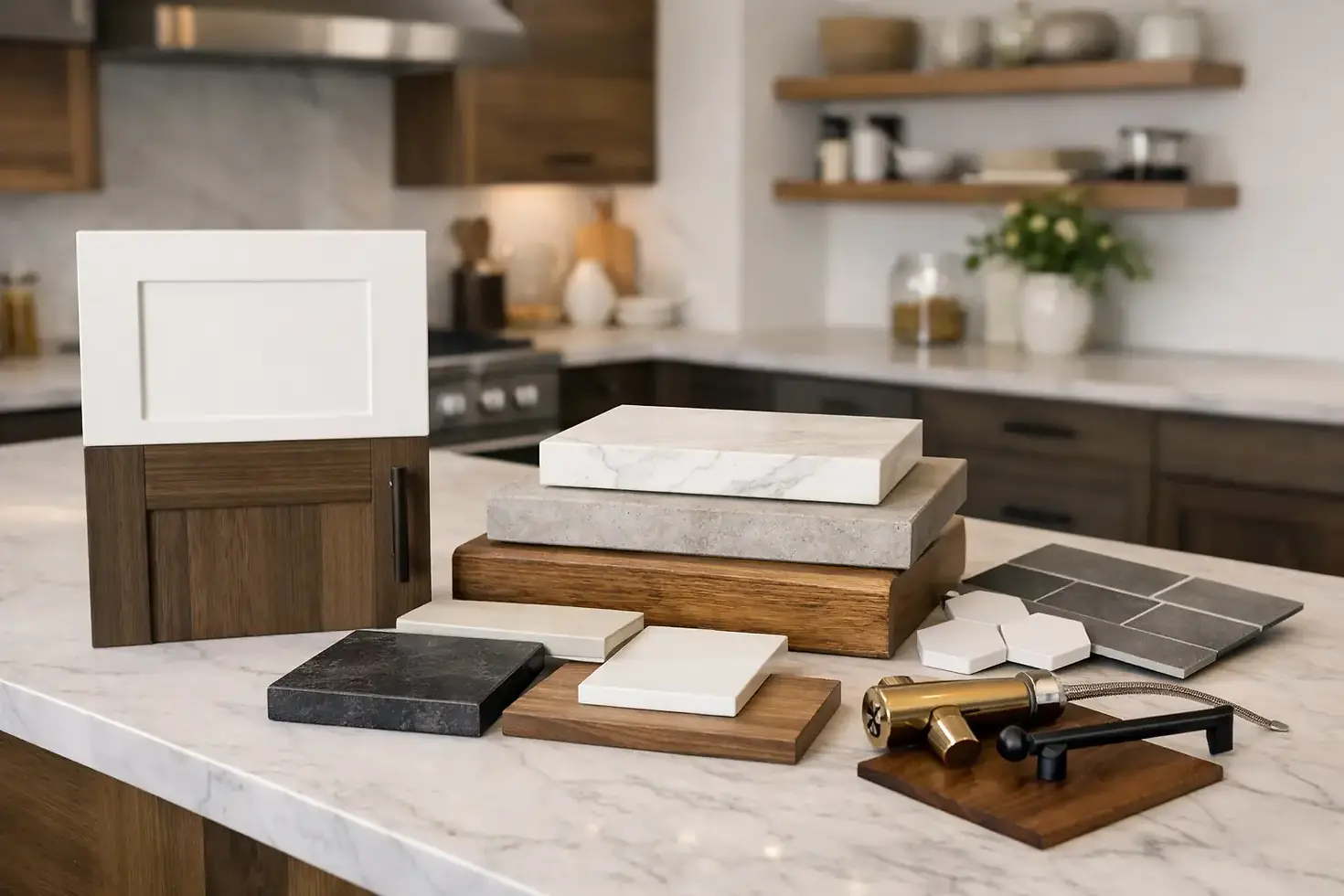
Best Kitchen Remodel Materials to Choose
- Jun 25
- 6 min read
A kitchen can look great in a showroom and still fail in real life. The difference usually comes down to materials. If you are comparing the best kitchen remodel materials, the right choice is rarely the most expensive option. It is the one that fits how you cook, how much maintenance you will tolerate, and how long you plan to stay in the home.
That matters even more in higher-value homes, where buyers notice quality but also expect smart decisions. In many Bay Area remodels, we see homeowners trying to balance clean design, daily durability, and resale value all at once. That is possible, but only if each material is chosen with a clear purpose.
How to choose the best kitchen remodel materials
Start with function, not color samples. A family kitchen with heavy weekday use needs a different material plan than a low-traffic condo kitchen or a high-end entertainment space. Before selecting finishes, think about heat, moisture, foot traffic, cleaning habits, and whether the kitchen is used hard every day or lightly on weekends.
Budget also needs to be handled honestly. One of the most common mistakes in remodeling is overspending on a single feature, then cutting corners on everything around it. Premium countertops paired with low-grade cabinetry, for example, can make the whole room feel inconsistent. Strong remodels are built on balance.
Cabinets: where material quality shows fast
Cabinets take more abuse than most homeowners expect. Doors slam, drawers carry weight, and interiors deal with spills, steam, and constant use. That is why cabinet material is not just a style choice.
Plywood is one of the strongest options for cabinet boxes. It holds screws well, resists sagging better than many budget alternatives, and performs reliably over time. For homeowners who want durability and long-term value, plywood construction is usually the safer investment.
MDF works well in certain applications, especially painted cabinet doors. It has a smooth surface, which helps create a clean painted finish without visible wood grain. The trade-off is moisture sensitivity. In a kitchen with poor ventilation or frequent water exposure, MDF needs to be used carefully and in the right places.
Solid wood remains a premium choice for cabinet doors and visible trim, but it has natural movement. That means it can expand and contract with temperature and humidity changes. Used well, it adds warmth and character. Used without planning, it can create maintenance issues.
If you want a practical rule, invest in cabinet construction first, then decide how much of the visible finish should be premium. A well-built painted cabinet often outperforms a flashy cabinet made with weaker materials.
Countertops: durability matters more than trend cycles
Countertops tend to drive the look of the kitchen, but they also absorb some of the hardest daily wear. The best choice depends on how you cook and how much maintenance you are willing to accept.
Quartz is one of the strongest all-around countertop materials for modern remodels. It is nonporous, low maintenance, and highly consistent in appearance. It resists staining better than many natural stones and works well for busy households that want a clean, reliable surface. For many homeowners, quartz lands in the sweet spot between performance and appearance.
Quartzite offers a natural stone look with strong durability, but it is not maintenance-free. It usually needs sealing and can vary widely by slab. The upside is that it delivers a more natural visual depth than many engineered surfaces.
Granite is still a solid option, especially for homeowners who want real stone and good heat resistance. It has a more traditional reputation, but certain granite selections work well in contemporary kitchens too. The key is choosing the right pattern and finish. Busy granite patterns can date a kitchen faster than cleaner slabs.
Marble looks beautiful and adds unmistakable character, but it stains and etches more easily than other options. For serious cooks or families with young kids, marble can become a frustration unless you are fully comfortable with patina and wear.
For most households, quartz is one of the best kitchen remodel materials because it reduces maintenance without sacrificing design flexibility. Still, if natural movement and one-of-a-kind character matter more to you than convenience, stone may be worth the extra care.
Flooring: the kitchen workhorse
Kitchen floors need to do a lot at once. They need to hold up to spills, dropped pans, chair movement, and constant foot traffic while still tying the whole design together.
Porcelain tile is one of the most dependable flooring choices available. It is water-resistant, durable, and available in styles that mimic stone, concrete, or wood. It performs especially well in homes where longevity matters more than softness underfoot. The downside is comfort. Tile can feel hard and cold, especially in the morning.
Engineered hardwood is another strong option, particularly in open floor plans where homeowners want visual continuity between the kitchen and adjacent living spaces. It brings warmth that tile cannot match. But it is still wood-based, so moisture control matters. A well-installed engineered hardwood floor can perform well in a kitchen, but it is not as forgiving as tile around repeated standing water.
Luxury vinyl plank has improved significantly. In the right product line, it offers good moisture resistance, comfort, and a wood-look appearance at a lower cost. It is not always the best fit for a luxury remodel, but it can be a smart choice in rental properties, secondary homes, or projects where budget discipline matters.
Natural hardwood in kitchens is still a debated choice. It can look excellent, but it requires more care and is less tolerant of leaks and wear. For some homeowners, that trade-off is worth it. For others, it becomes a regret.
Backsplashes: small surface, big impact
Backsplash material does more than protect the wall. It helps connect the countertops, cabinets, and flooring into a finished design.
Ceramic and porcelain tile remain the most versatile options. They are easy to maintain, widely available, and suitable for everything from simple remodels to high-end custom kitchens. A straightforward tile layout often ages better than a highly stylized pattern that feels tied to one trend.
Natural stone backsplashes can look impressive, especially when extended full height behind a range. They create a strong focal point and pair well with premium countertops. The trade-off is cost and, depending on the stone, more maintenance.
Slab backsplashes are increasingly popular because they reduce grout lines and create a cleaner, more architectural look. They also make cleaning easier. If your countertop material has good movement or texture, carrying it up the wall can create a polished result without adding visual clutter.
Glass tile can work, but it needs careful design control. In some kitchens it adds depth and light. In others it can feel too busy or dated. This is one of those material decisions where less is often more.
Sink, fixture, and hardware finishes matter more than people think
Not every material decision involves a large surface. Sink material, faucet finish, and cabinet hardware all affect long-term performance.
Stainless steel sinks remain a top choice because they are durable, practical, and easy to integrate into different kitchen styles. Fireclay farmhouse sinks offer a distinct look and solid performance, but they need proper support and installation planning due to their weight.
For fixtures, finish should be selected based on maintenance as much as appearance. Matte black can look sharp but may show residue and wear differently over time. Brushed nickel and stainless finishes tend to be forgiving and easier to live with. Polished brass can be striking in the right design, but it needs confidence and consistency throughout the space.
Hardware should feel solid in the hand. Lightweight pieces may save money up front, but they often wear out faster and make good cabinetry feel cheaper than it is.
Best kitchen remodel materials for value and resale
If resale is part of your plan, avoid extremes. Highly personalized materials can work in a forever home, but broad-market appeal usually comes from quality, restraint, and consistency.
That often means plywood cabinet boxes, durable painted or wood veneer fronts, quartz countertops, porcelain tile or quality engineered hardwood flooring, and a backsplash that supports the room instead of overpowering it. These choices usually photograph well, perform well, and hold value over time.
In markets like Burlingame, San Mateo, and Palo Alto, buyers tend to notice when a kitchen feels current but not trendy. They also notice when materials were chosen for appearance alone and not for durability. A remodel should look finished, but it should also feel built to last.
The right materials depend on the whole plan
There is no single list of materials that works for every kitchen. The best combination depends on layout, household habits, design goals, and the condition of the home around it. Material choices also need to match installation quality. Even premium products can disappoint if the cabinets are out of level, the tile is poorly set, or the transitions are rushed.
That is why material selection should never be separated from project planning. A trusted contractor will help you weigh appearance, performance, and cost at the same time, not one by one after decisions have already gone off track.
If you are planning a kitchen remodel, count on us to help you choose materials that fit your home and your goals, not just the latest showroom trend. The right kitchen should still look right after years of real use.


Comments